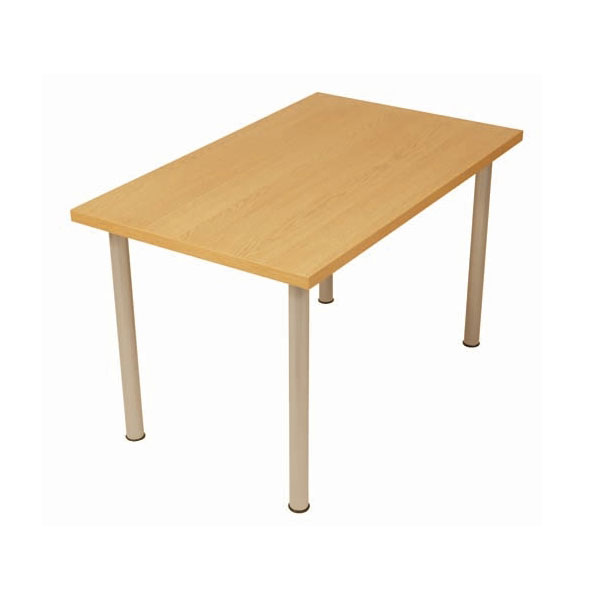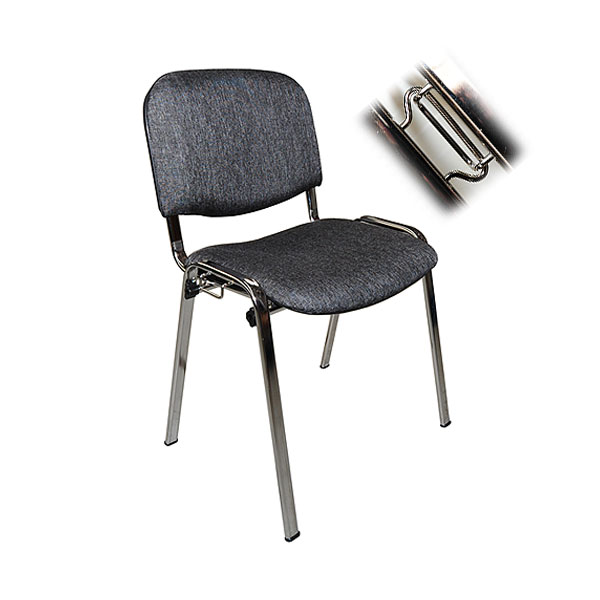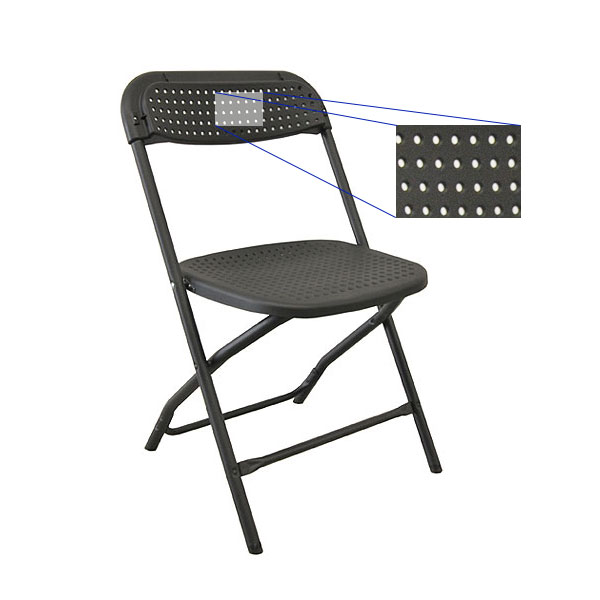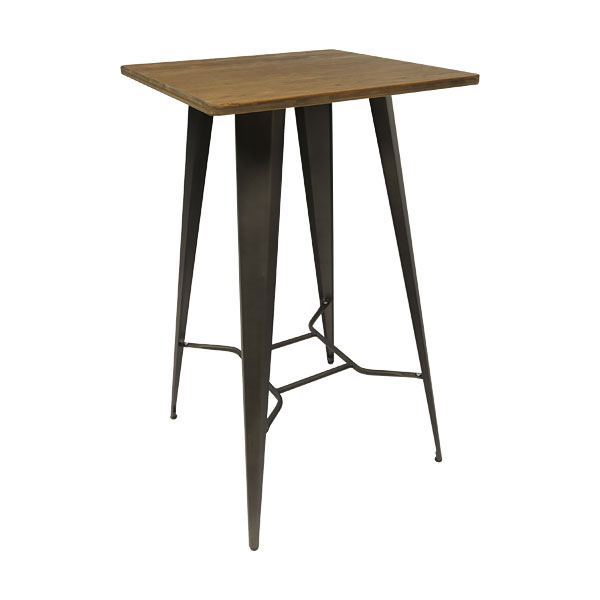


Organising an event of any size—whether a corporate conference, gala dinner, festival, exhibition, or community gathering—means balancing quality and budget. Many first-time organisers assume that cutting back automatically means compromising the guest experience, but this isn’t true. With the right planning, informed decision-making and a clear understanding of how furniture hire costs actually work, you can reduce spending without diminishing comfort, style or professionalism.
This guide is designed for novice organisers across the UK who want practical inspiration, step-by-step advice and simple explanations of where money is spent, why prices vary, and how to make smart choices based not only on price but on quality of service, reliability and product condition. It matters because hiring furniture is often a significant part of an event budget, and knowing how to manage it gives you more flexibility to invest in other areas of the experience.
Furniture hire costs typically include the rental fee, delivery, collection, labour, damage waiver and any add-on services required for your event.
Many novice organisers believe the rental fee is the only cost involved, but this is only part of the picture. To understand how to reduce overall spend, you first need clarity on what makes up the total invoice. When you’ve got visibility on every cost area, you can make informed decisions that protect guest comfort while keeping the budget in check.
Here is a breakdown of what usually contributes to the final price:
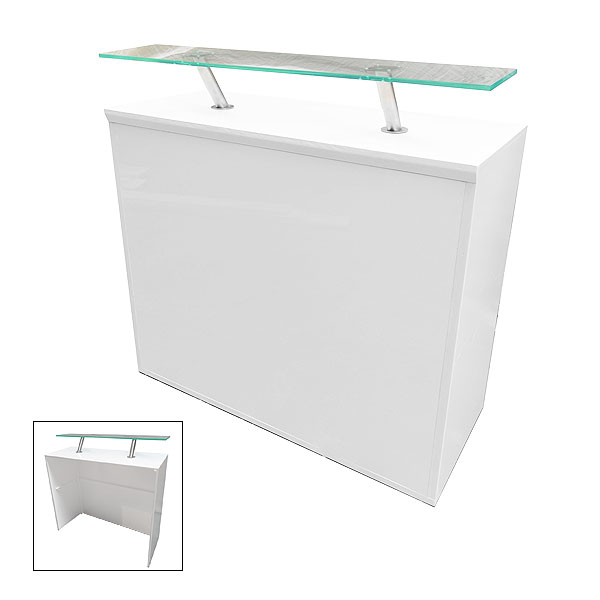
This is the cost to hire items such as chairs, tables, soft seating, bar stools, outdoor furniture, display cabinets, trestles, counters, or bistro sets. For events involving hundreds or thousands of guests, this number adds up quickly.
Transport is often the largest variable cost because it depends on:
A nationwide supplier may offer more flexibility, but transport still represents a notable part of furniture hire costs.

This covers the cost of crews loading, unloading, placing furniture and sometimes assembling it. Labour can fluctuate depending on:
Events with tight turnarounds or difficult access may need extra crew.
Some companies include this automatically, while others allow it as an optional add-on. It covers minor wear and tear during the hire.
Optional services such as set-up, pack-down, furniture cleaning or late-night collections often incur added charges.
Understanding these components makes it far easier to identify savings that don’t impact your guests’ experience.
Furniture hire costs vary because suppliers differ in stock quality, delivery systems, labour capability, maintenance standards and overall service reliability.
When novice organisers first shop around, they often notice strikingly different quotes for what appear to be the same items. A folding chair might be £1.20 from one supplier and £1.80 from another. A round table might range from £6 to £12. But cost differences often reflect deeper variations in quality and service—not just product appearance.
Here’s why prices fluctuate:
Premium suppliers provide cleaner, well-maintained furniture that looks consistent across hundreds of items. Low-cost suppliers may offer items with scratches, mismatched stock, bent frames or stains.
A professional supplier operating 7.5-tonne vehicles, trained drivers and nationwide coverage will naturally cost more than a small local operator with a single van.
Companies that consistently deliver on time, even during peak UK seasons, often cost more—but reduce stress and risk.
High-end suppliers invest heavily in:
This all affects cost.
Larger companies typically hold more robust insurance, which adds confidence but also influences pricing.
Skilled crew who can move 200 trestle tables efficiently without damaging walls or furniture are part of what you’re paying for.
Events for hundreds or thousands of guests require stock depth. Only established, nationwide companies can supply this consistently.
When reviewing pricing, it’s essential to remember your own tip: it’s not just about price—it’s the total quality of service and product.
You can research furniture hire costs effectively by comparing suppliers, reading reviews, checking stock quality, evaluating service reliability and asking detailed questions about all charges.
This step is vital for saving money without sacrificing guest experience. Too many organisers ask for quotes without really understanding what they’re comparing. Research is your most powerful tool for cost reduction.
Here’s how to do it well:
Don’t just compare prices—compare:
Avoid vague or incomplete quotes. Always ask for:
This helps you compare condition and style.
Look for comments about:
For large UK events, choosing a supplier with widespread logistics reduces risk and increases flexibility.
Peak periods affect pricing, so lock in costs early.
Have your venue size, audience number and layout ready—it helps suppliers give accurate pricing.
Doing your research is the simplest and most effective way to optimise furniture hire costs without causing disruptions or compromising guest comfort.
You can reduce furniture hire costs by simplifying furniture styles, ordering in bulk, planning layouts efficiently, choosing off-peak delivery times and avoiding unnecessary extras.
Reducing spend doesn’t mean lowering quality—it’s about making smarter choices that protect the guest experience.
Here are the most effective methods:
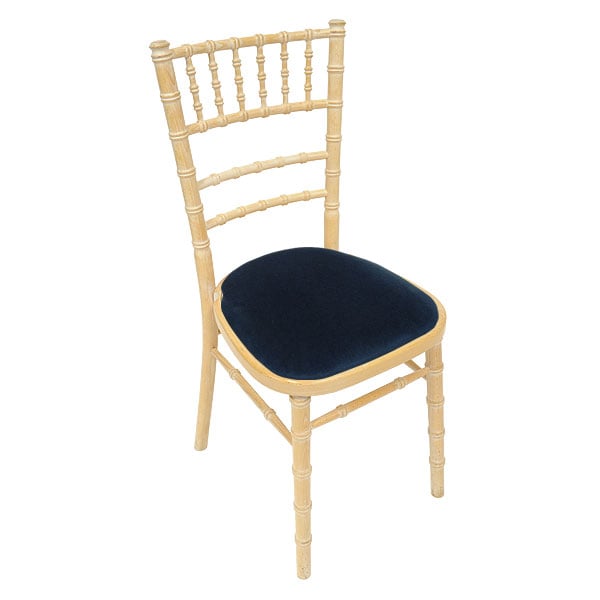
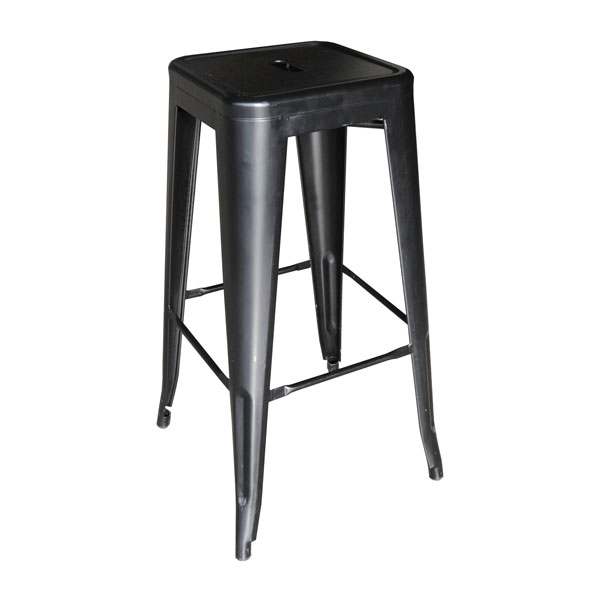
Classic items like:
… are typically cheaper due to large stock quantities.
Ordering 300 chairs from one supplier is often cheaper than splitting orders between two companies.
Keeping the style consistent reduces the need for specialist items, saving money.
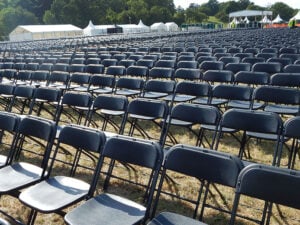
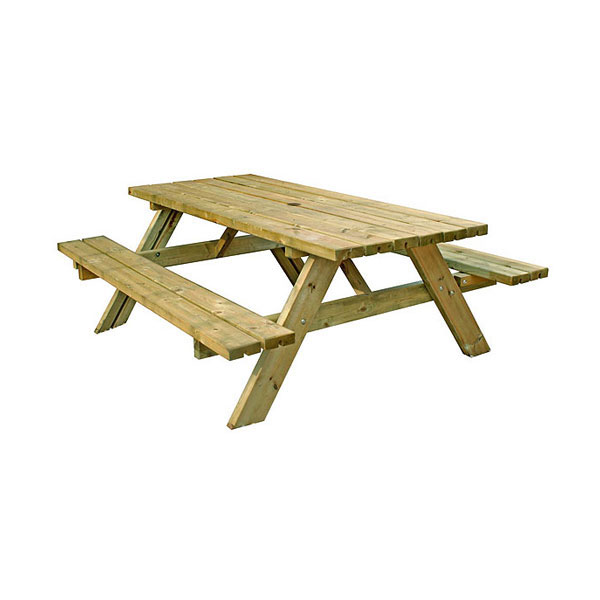
Plastic chairs and picnic benches tend to be cheaper for large-scale events.
Avoid late-night collections, morning rush-hour deliveries, or tight turnarounds.
If trucks can park close to the entrance, labour costs drop significantly.
Last-minute changes usually cost more.
For example:
This decreases the total hire quantity.
Set-up services, linen hire or accessory items may be optional depending on the event format.
Novice organisers are often surprised by how much these small choices add up to substantial savings.
You maintain guest experience by prioritising comfort, practicality and layout flow even when working with lower-cost furniture options.
Saving money doesn’t mean making your event look or feel cheap. The secret is selecting the right items for the right purpose, even if they are simpler or more budget-friendly.

Here’s how to keep your event feeling professional and engaging:
If your event involves long periods of sitting—like conferences or awards—choose chairs designed for comfort. Guests will always notice uncomfortable seating more than simple décor.
Thoughtful organising can completely transform the atmosphere of a space. Good circulation, clear walkways, natural groupings and intuitive zones enhance the guest experience without adding cost.
Strategic placement—such as grouping poseur tables around entrances, or lined-up trestles in catering areas—helps maintain a polished look.
Even inexpensive furniture can look premium when supported by:
Consistency is more impactful than luxury. Matching chairs and tables create a clean and professional aesthetic.
Give guests space. Comfort and ease of movement influence perception more than elaborate furniture styles.
Clean, well-maintained items always look more premium, regardless of price. Choose suppliers known for reliable cleaning standards.
By applying these principles, you can lower furniture hire costs while still giving guests a positive, memorable experience.
You can find cost savings by tailoring furniture choices to the specific needs of your event rather than using the same items everywhere.
Here’s how to make smart, event-specific decisions:
Corporate organisers can save by using:
These choices maintain functionality without driving up furniture hire costs.
Exhibition budgets are often stretched across multiple elements.
Save money by:
This is one of the few event types where aesthetics matter most.
Cost-saving approach:
Outdoor furniture can be economical if chosen well.
Savings come from:
Outdoor events benefit from durability more than style, helping keep costs down.
These events often run on tight budgets.
Cost-efficient choices include:
The key across every event type is purpose-first planning.
Ask suppliers about delivery times, minimum orders, availability, access requirements and stock alternatives to lower furniture hire costs.
Asking the right questions leads directly to savings. Many organisers don’t realise how flexible suppliers can be when given enough notice or clear information.

Use these questions:
These questions open opportunities for meaningful savings with minimal impact on the event.
The most common mistakes include leaving bookings too late, choosing incompatible furniture, ignoring venue access issues and ordering specialist items unnecessarily.
Here’s what to look out for:
This often increases transport and labour costs, especially during peak UK event seasons.
Premium items cost more. Budget-friendly alternatives often achieve the same function.
Long pushes, stairs, narrow corridors and restricted loading can add labour time—and labour is expensive.
This happens when organisers don’t map out seating or table requirements accurately.
This results in emergency last-minute orders, often at higher cost.
Moving chairs from one zone to another can reduce quantities by 10–20%.
Accessories like barriers, bins, coat rails and lecterns are often added at the last minute, which can raise the invoice.
Avoiding these mistakes will significantly reduce furniture hire costs while maintaining the quality of your event.
Reducing furniture hire costs is easier when you plan early because availability is higher, transport options are wider and suppliers can offer better stock alternatives.
Planning early gives you:
Early planning is one of the simplest, most effective strategies for reducing hire spend without affecting guest comfort.
If you’re planning an event and want to lower your spend on furniture hire without compromising the guest experience, now is the perfect time to start researching options. Explore broad categories, compare prices, and review simple, durable and high-volume styles to keep your event engaging and cost-effective. You can find inspiration by looking at seating, tables, outdoor ranges and functional accessories—all of which help shape your event layout without unnecessary expense. When you approach planning with clarity and confidence, you’ll discover that furniture hire costs can be managed intelligently while still delivering a seamless experience for your guests.

You can save money by choosing simple styles, ordering in bulk, booking early and avoiding unnecessary extras.
Not necessarily—guest experience relies on comfort, layout and presentation more than premium furniture styles.
Transport and labour are often the highest costs, followed by premium furniture styles.
One supplier is almost always cheaper because it reduces delivery and collection charges.
Several weeks—or even months—before your event for maximum availability and flexibility.