

When you’re planning an event or running a pop-up catering setup, keeping food and drinks chilled is a non-negotiable. That’s where refrigeration hire comes in—but if you’ve started looking at quotes, you’ve probably noticed the price of refrigeration hire can vary quite a bit.
So, what affects the cost? Why does one fridge cost twice as much as another? And what can you do to get the best deal?
Here are 8 key factors that influence the price of refrigeration hire in the UK, plus some handy tips to help you stay on budget without compromising performance.
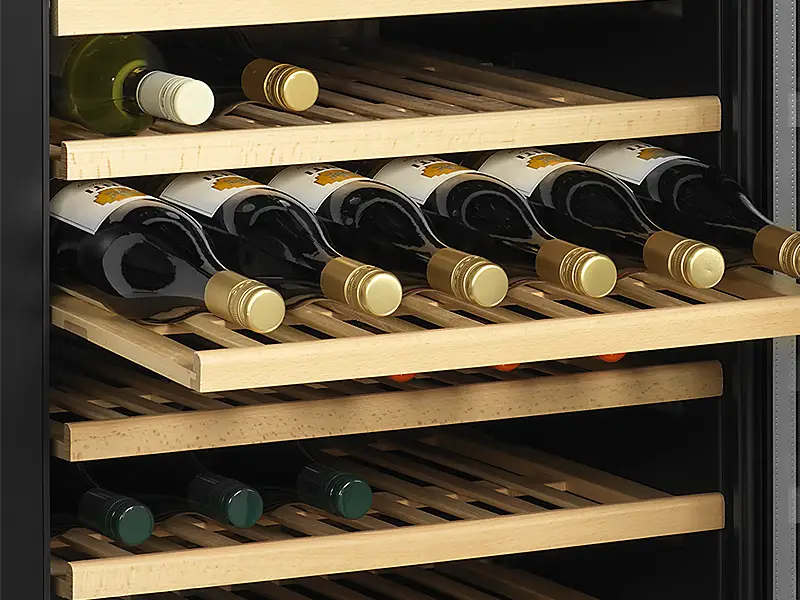
The first thing that affects the price of refrigeration hire is the type of fridge or freezer you need. A simple under-counter fridge will cost a lot less than a walk-in cold room.
Here’s a rough breakdown of standard options:
If you’re wondering how much does refrigerated trailer hire cost in the UK, it really starts with what kind of unit you need for your setup.
Most hire companies offer daily, weekend, or weekly rates. The longer your hire period, the more you’ll pay overall—but the price per day often goes down.
For example, a fridge that costs £80 for a day might only cost £130 for a full weekend or £180 for the week. If your event runs across multiple days, or you need extra time for setup and pack-down, make sure to factor that into your price of refrigeration hire.
It’s also worth asking if the company offers discounted rates for longer hire periods—some do, especially outside peak season.
Where your event takes place can have a significant impact on the final price of refrigeration hire. Most hire companies base delivery fees on distance from their depot.
Urban areas with congestion zones, parking restrictions, or difficult access might also lead to higher charges. If you’re in a rural or remote location, you may face additional travel fees. To avoid surprises, always confirm delivery costs up front and check if the quote includes both drop-off and collection.
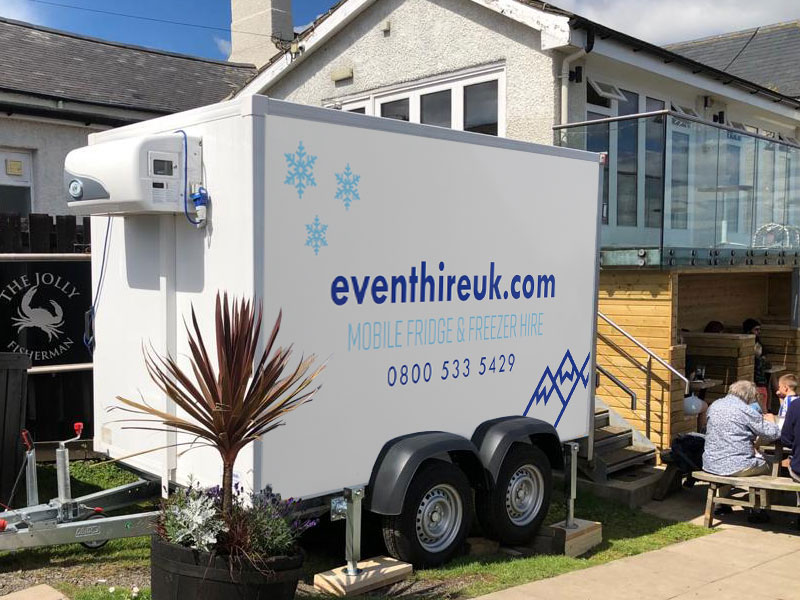
Will your fridge or freezer be placed indoors or outside? Outdoor setups often require more robust equipment like trailer fridges or cold rooms. These units are more expensive to hire due to their size, durability, and added insulation. They may also need power supply checks or generators, which can push up the price of refrigeration hire further.
Indoor fridges are typically cheaper and easier to manage—but only if your venue has the space and electrical capacity to support them.
Some refrigeration units are plug-and-play, while others (like trailer cold stores or modular walk-in units) require setup, levelling, or even minor assembly. If access is tight or setup is complex, this might involve extra labour charges.
When you’re getting quotes, ask whether setup is included in the price of refrigeration hire. If not, get a breakdown of labour costs so you can budget properly.
Also, if you’re placing equipment in a marquee or field, ask whether ground protection or ramps are required. These little extras can affect the total bill more than you might expect.
Demand always affects pricing. During the summer months, Christmas period, and bank holidays, refrigeration units are in high demand—especially trailer fridges and mobile cold rooms used for outdoor catering and festivals.
If you’re booking during a busy season, the price of refrigerated hire may go up, and availability might be limited. Booking early can help lock in better rates and ensure you get the unit you need. If your event is during a quieter time, don’t be afraid to ask if there’s any wiggle room on the price.
Some larger refrigeration units require more power than a standard 13A socket can provide. If your venue doesn’t have the right power setup, you might need to hire a generator or distribution board. These extras can add significant cost to your refrigeration hire.
It’s always a good idea to check with both your venue and hire provider to ensure compatibility. Asking these questions early on will help avoid last-minute changes that could increase the price of refrigeration hire.
What happens after the event matters too. If the unit isn’t cleaned properly or comes back damaged, you might face extra charges. Some suppliers offer a cleaning option or damage waiver fee at a small additional cost—worth considering if your event will be particularly hectic or outdoors.
Always ask whether these services are included or optional. They won’t massively impact the price of refrigeration hire, but they can save you money and stress in the long run.
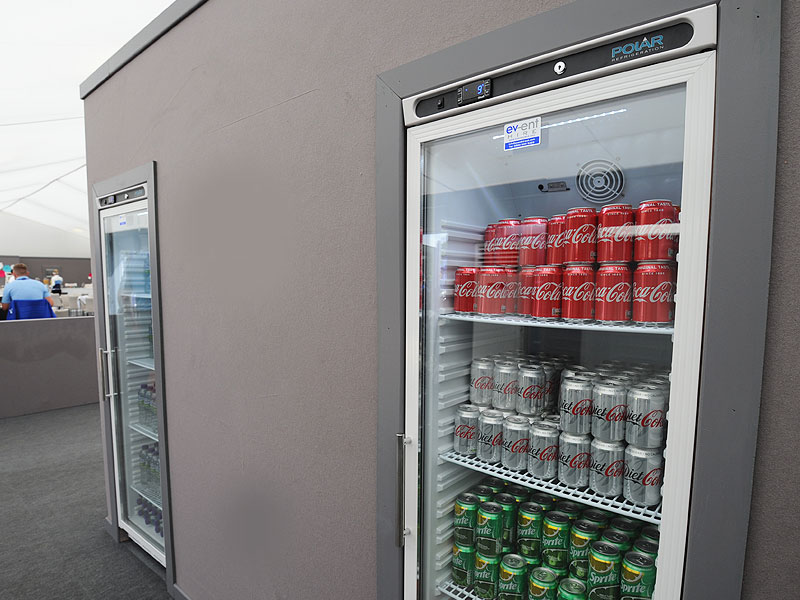
Understanding the price of refrigeration hire in the UK is all about knowing the variables. From the type of fridge to your event location, hire duration, and setup requirements, it all plays a part in the total cost.
Whether you’re trying to answer what is the cost of refrigeration hire in the UK, or just comparing fridge and freezer hire costs and prices across multiple suppliers, the key is to ask questions and get everything detailed in your quote. Don’t just compare headline prices—make sure you’re comparing what’s actually included.
With smart planning, clear communication, and early booking, you’ll get the right refrigeration setup for your event—without spending more than you need to.

