
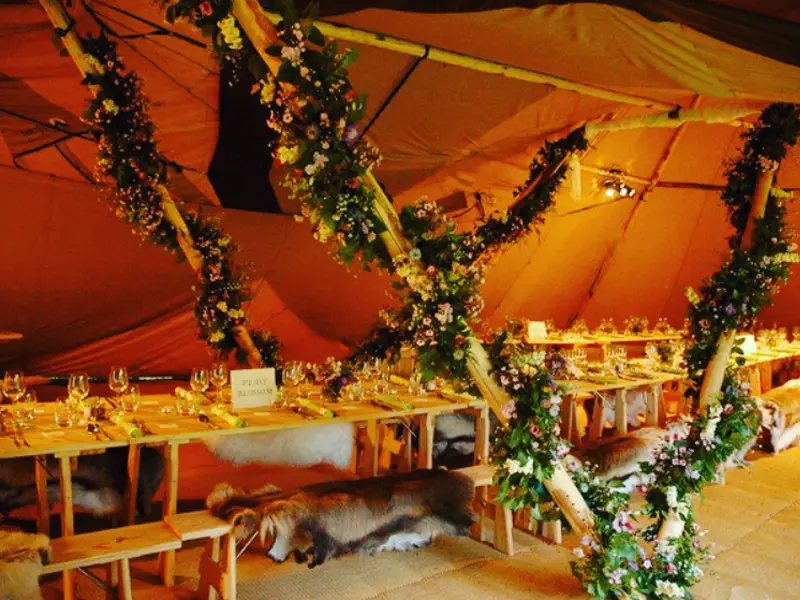
Planning an event often starts with the big-picture ideas, but very quickly the details begin to shape the experience. One of the most overlooked decisions is choosing the right furniture, especially if your event has a particular style, theme or layout in mind.
Whether you’re organising an outdoor gathering, a corporate branded event, a charity fundraiser or a relaxed social occasion, trestle tables remain one of the most flexible options available. Alongside rustic tables, they’re incredibly popular across UK events because they’re practical, adaptable and easy to integrate into almost any design. Before diving into layout inspiration or styling ideas, it’s helpful to understand exactly what these tables are and how they differ.
A rustic table is a wooden table designed to create a natural, earthy, characterful look. It normally features visible wood grain, thick timber construction and a sturdy, handcrafted feel. Rustic tables are associated with warm, organic event styling because they add instant charm without needing much decoration.
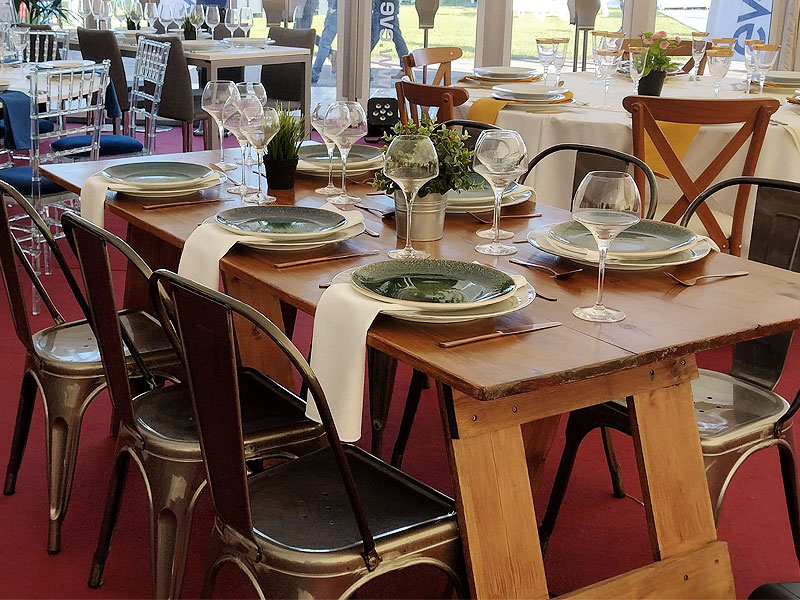
Rustic tables work brilliantly for branded outdoor settings, communal dining sections, relaxed socials and corporate events that want to avoid a clinical, overly formal aesthetic. They provide visual texture and grounding, and their heavier build gives them a solid presence in open spaces. Because they’re made from solid wood, they’re generally stable on grass, decking and uneven ground, making them a great choice for outdoor UK events where surfaces vary from place to place.
A trestle table is a practical, versatile folding table constructed with a solid top and collapsible trestle-style legs. Designed for quick setup and efficient storage, trestle tables are ideal for events that require fast turnaround, easy positioning and plenty of layout flexibility.
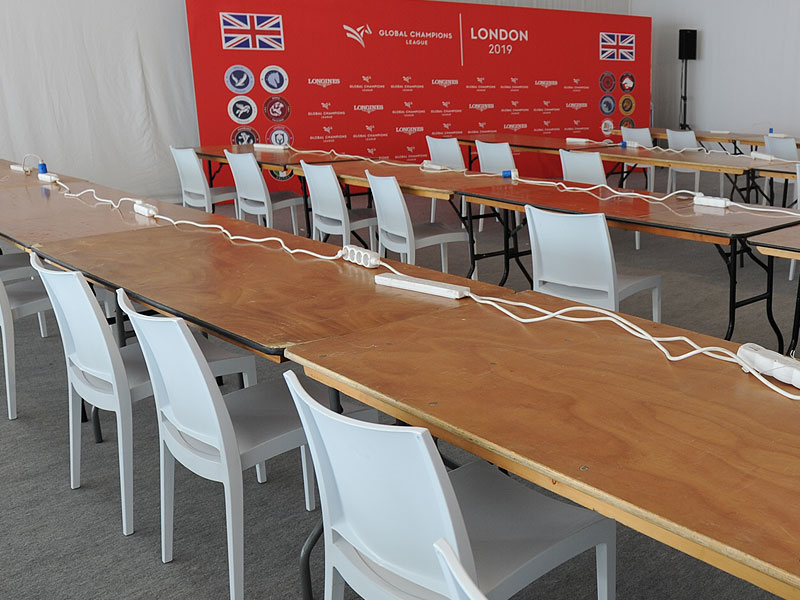
Trestle tables are some of the most widely used hire items because they work for almost every type of event. They’re lightweight enough for quick setup but strong enough for dining, displays, buffets, product showcases and back-of-house operational areas. Because trestle tables fold flat, they’re easy to move around, reorganise or scale in quantity, making them perfect for one-off and short term UK events where space, time and practicality matter.
The core difference lies in style, structure and the type of event each table suits. Rustic tables are designed for aesthetic impact, while trestle tables are built for flexibility, speed and practicality. A rustic table is a statement piece; a trestle table is a universal workhorse.
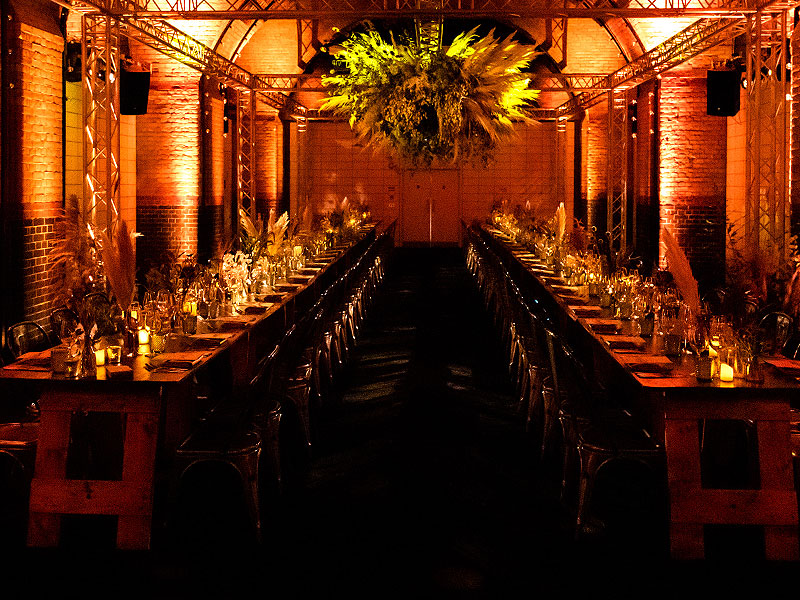
Rustic tables usually feature solid timber construction and fixed legs, whereas trestle tables fold away easily and can be quickly transported or rearranged as needed. Both have value depending on the event’s tone: rustic tables elevate the visual experience, while trestle tables support layout adaptability and effortless organising. In many cases, events use a combination of both to achieve the right balance.
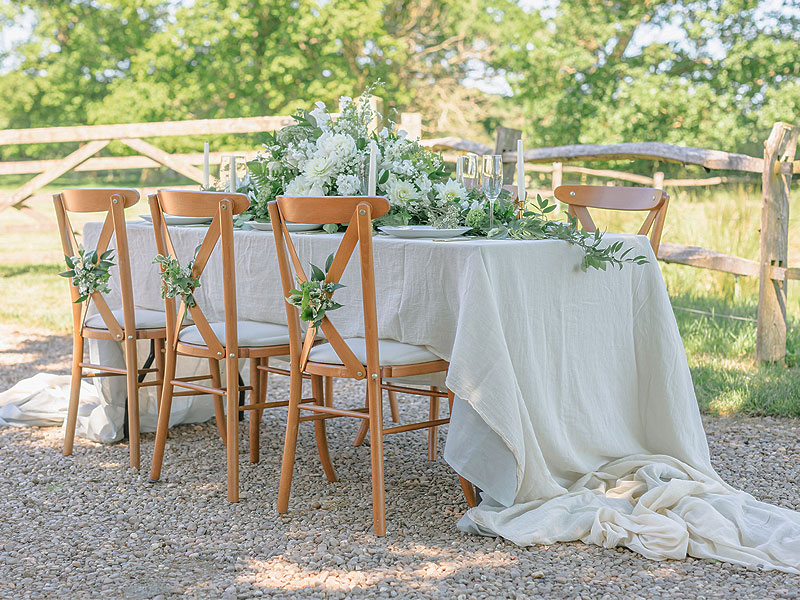
Different events have different requirements, which is why it’s important to understand when each type of table works best. Knowing this early helps you make long-term planning decisions and shapes the visual layout.
Rustic tables are ideal for:
Trestle tables are ideal for:
Rustic tables help create atmosphere, while trestle tables support structure, efficiency and high guest turnover. Both offer huge versatility when hired rather than owned, especially for nationwide and one-off UK events.
Before booking your tables, it’s worth thinking about how they’ll be used and what your chosen space requires. Even though trestle tables are among the most adaptable pieces of rental furniture, the right preparation makes the difference between a layout that feels planned and one that feels improvised.
Key considerations include:
Table size and shape
Standard trestle tables tend to be rectangular, which is great for dining, serving and creating long communal runs. Think about your guest numbers, the proportions of your venue and how you want people to move around the space.
Surface type
If your event is outdoors, consider whether the ground is grass, gravel, tarmac or decking. Trestle tables generally hold up well across all surfaces, but using table linen or stabilising pads helps maintain an even finish.
Expected load
Displays, product demos, catering and service equipment may require additional reinforcement, making trestle tables a strong option due to their solid surface and undersupport.
Guest comfort
Communal dining works beautifully on long rows of trestle tables. For networking or corporate events, shorter runs or individual tables help create natural conversation spaces.
Styling and branding
With tablecloths, runners or branded overlays, trestle tables can support a wide range of aesthetics. They become blank canvases, ideal for corporate identity or theme-led designs.
Because trestle tables are practical and lightweight, they’re one of the easiest pieces of hire furniture to adapt as your plans evolve. Whether you’re arranging a catered event, a mixed seating layout or a branded activation, these tables hold everything together.
Rustic tables are visually striking and instantly add warmth to a space, but they require thoughtful planning to get the most out of them.
Important points to think about include:
Event theme
Rustic tables suit relaxed, natural styling. If your event requires a contemporary, glossy or highly corporate look, they may not align with the aesthetic.
Venue size
Rustic tables are usually larger and heavier than trestle tables, so your venue needs to have enough clearance for comfortable movement around them.
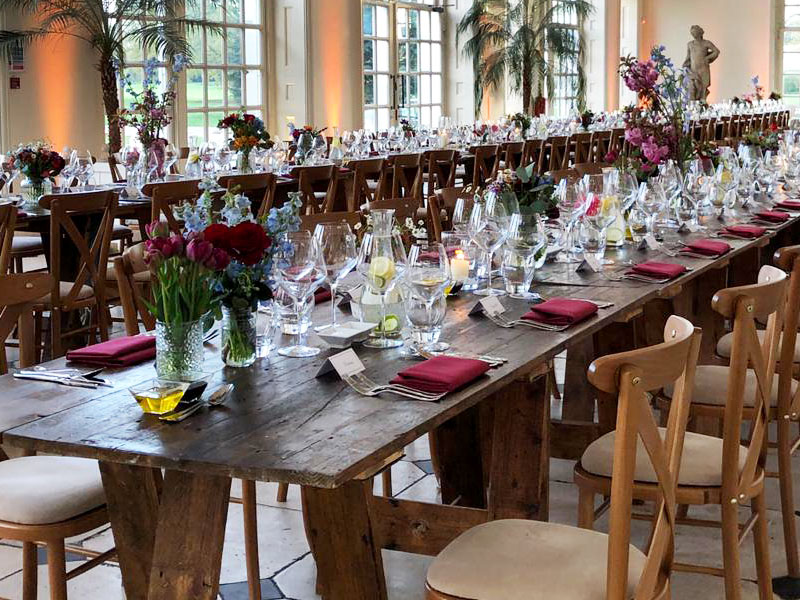
Surface finish
Because rustic tables don’t always use tablecloths, consider complementary hire items such as coordinating chairs, atmospheric lighting or functional accessories.
Durability
Rustic tables are ideal for outdoor events due to their weight and stability, but you should still think about covering them during heavy rain or wind.
Seating plan
These tables naturally encourage communal dining and social connection, so think about how your guests will mix, circulate and interact.
Rustic tables help define the personality of your event, acting as centrepieces rather than purely functional surfaces.
One of the most interesting parts of planning an event is exploring layout concepts. Both rustic and trestle tables work well in a wide range of structures, and understanding how they behave in space can spark new inspiration.
Open-plan dining
Long rows of trestle tables create an efficient, shared dining experience. Meanwhile, rustic tables add natural warmth and depth, turning an open layout into something visually grounded.
Zoned events
Use rustic tables in social zones and trestle tables in service or high-traffic areas to balance ambience with practicality.
Drinks and networking events
Trestle tables work brilliantly for buffets, pop-up bars and tasting stations. Rustic tables can host interactive displays, branded activations or “help yourself” sections.
Corporate meets casual
A mixture of both lets you keep the functional areas organised while using rustic tones to soften the more relaxed parts of the event.
This flexibility is part of what makes hiring such a valuable option. You’re not tied to one long-term design or restricted by what you already own. Instead, you can build the layout you want specifically for each event.
Regardless of which table type you choose, a few logistical points will ensure everything runs smoothly:
Because outdoor and indoor UK venues differ dramatically, these details help ensure your tables function properly and support the overall event experience without surprises.
Hiring furniture rather than purchasing it offers several benefits, especially for one-off or short term events:
Owning rustic or trestle tables simply doesn’t make sense for most organisers. Hiring gives you professional availability, consistent quality and the ability to refine your design every time.
If you’re organising a corporate gathering, community event, branded activation, exhibition, charity fundraiser or large social occasion, choosing the right tables shapes how people interact and move through your space. Rustic tables deliver warmth and character, while trestle tables offer the practical, flexible foundation that supports almost every event style.
With UK-wide delivery, a wide selection of hire options and support throughout the planning process, renting tables allows you to focus on the creative, engaging parts of organising your event while we take care of the logistics.

